Hackers Are Breaking Into Grocery Store Freezers. Here's What That Means for You.
Attacks on supermarket refrigerators have spread across Europe. The same weakness may be sitting in your home.
Dr. K. Merrill Perkins · November 9, 2026 · 3 min read · Critical Infrastructure
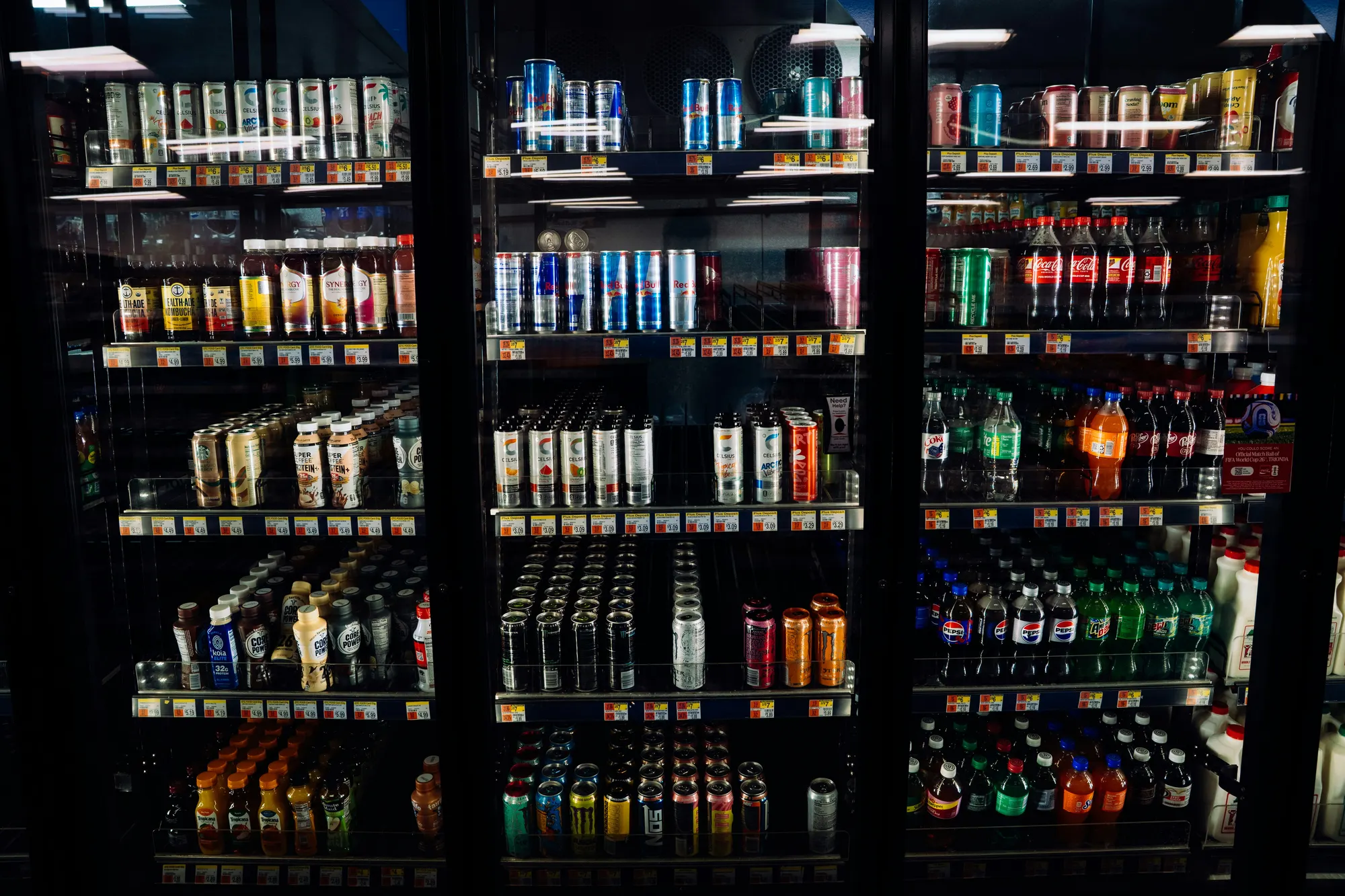
Overnight on November 2, refrigerators and freezers in grocery stores across Europe began to warm up.
Nothing had broken. Someone had gotten into the systems that control the temperature and changed the settings remotely. Retailers said some freezers had been set to 122 degrees Fahrenheit. "We can't adjust the temperatures, we can't change them. Heat is blowing into the freezers. Everything is ruined," a supermarket manager in southern Sweden told broadcasters.
Stores in at least nine countries reported problems: Belgium, Luxembourg, the Netherlands, Sweden, Finland, Estonia, Ireland, Portugal and Italy. Large supermarket chains were hit, and so were small neighborhood shops. A butcher in Belgium estimated he lost about €15,000 (roughly $17,000) worth of meat.
This was the second wave. Three weeks earlier, hundreds of French supermarkets were hit in a similar attack that spoiled tons of food, caused fires, damaged equipment and cost millions of euros.
Who did it, and are shoppers at risk?
Nobody knows who is responsible, and no group has claimed credit. Investigators also don't know whether the same people carried out both waves. An official at Belgium's cybersecurity agency said it "may never be possible" to identify them.
Stores have been throwing out affected food or taking it off the shelves as a precaution. Reports so far focus on waste and lost money, and I haven't seen any reports of people getting sick. The European Union's agriculture commissioner called the attacks a "deliberate attempt to disrupt" the food supply, but said food security is not currently at risk.
How does someone hack a freezer?
Large store refrigerators are run by small computers. Many are connected to the internet so that stores can monitor temperatures and technicians can fix problems from somewhere else. That saves money and can prevent spoilage, but a connection that lets a technician in can also let a stranger in.
The manufacturers, Danfoss and Copeland, have pointed to older, discontinued products that no longer receive security updates. Danfoss also said the systems hit in the Netherlands still used default passwords, the ones that come with the equipment.
Katerina Mitrokotsa, a cybersecurity professor at the University of St. Gallen in Switzerland, described the larger problem this way: "We have filled our homes and shops with devices that are really small computers, yet we still treat them like ordinary appliances."
The blood bank that caught it in time
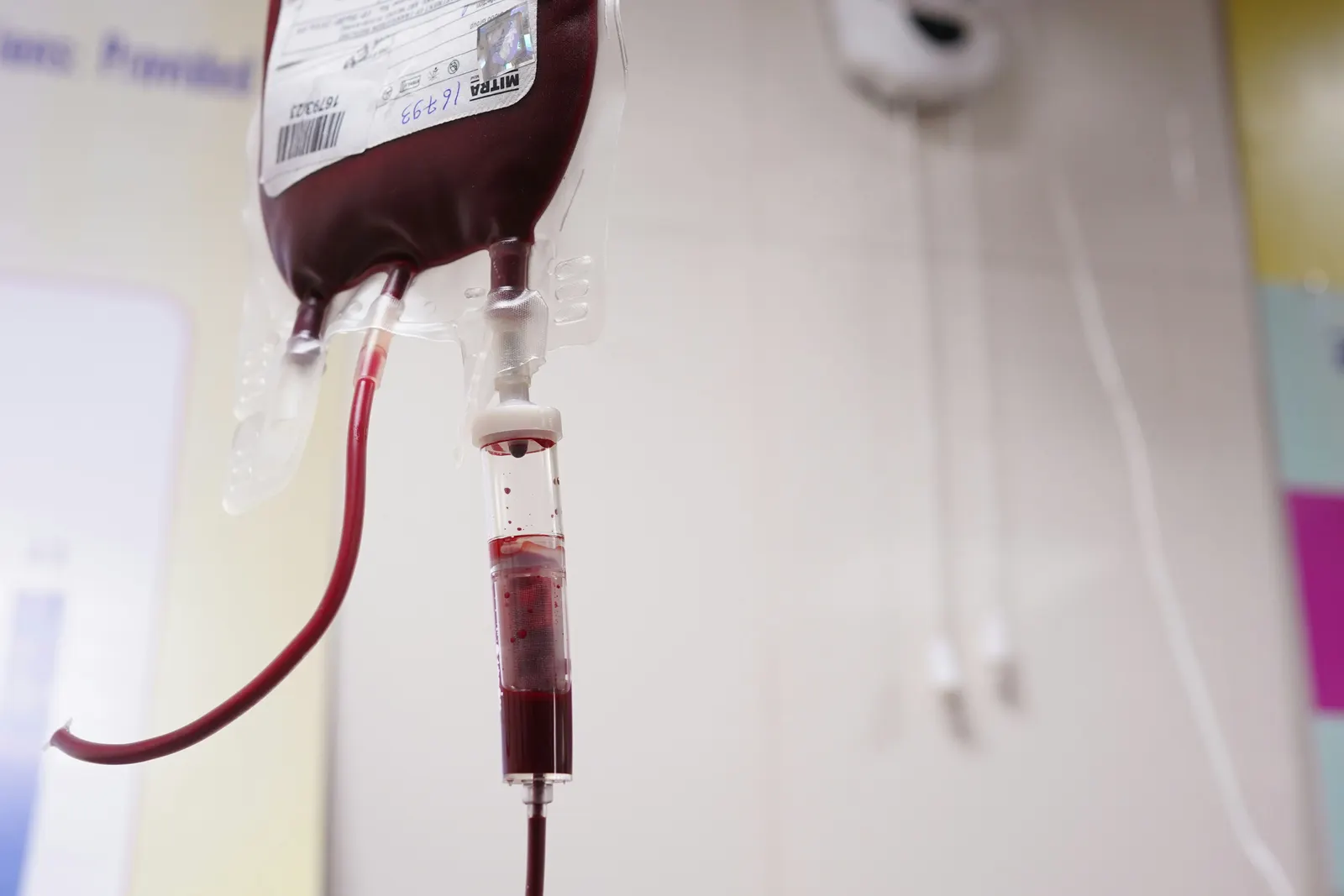
On the same Monday, three sites of France's national blood service were also targeted through a company that provides its refrigeration. Those cold rooms hold blood samples and plasma used for transfusions and medicines.
Temperature monitoring picked up the problem. Staff moved products or took back control of the settings, and remote access to the equipment was cut off. The blood service reported no health impact and no lost products.
A national blood service has more resources and stricter rules than a neighborhood grocery store, so this isn't an even comparison. It still shows why the response matters. The attack reached the equipment, but someone noticed quickly and knew what to do.
Could this happen here?
On November 5, the FBI, the Cybersecurity and Infrastructure Security Agency and three other federal agencies warned that these systems are being targeted around the world. They urged companies to take the controls off the open internet and replace equipment that no longer gets updates.
You probably don't own a commercial freezer, but you may own a router, a doorbell camera, a baby monitor or a smart thermostat. Those are small computers too, and they are easy to forget about.
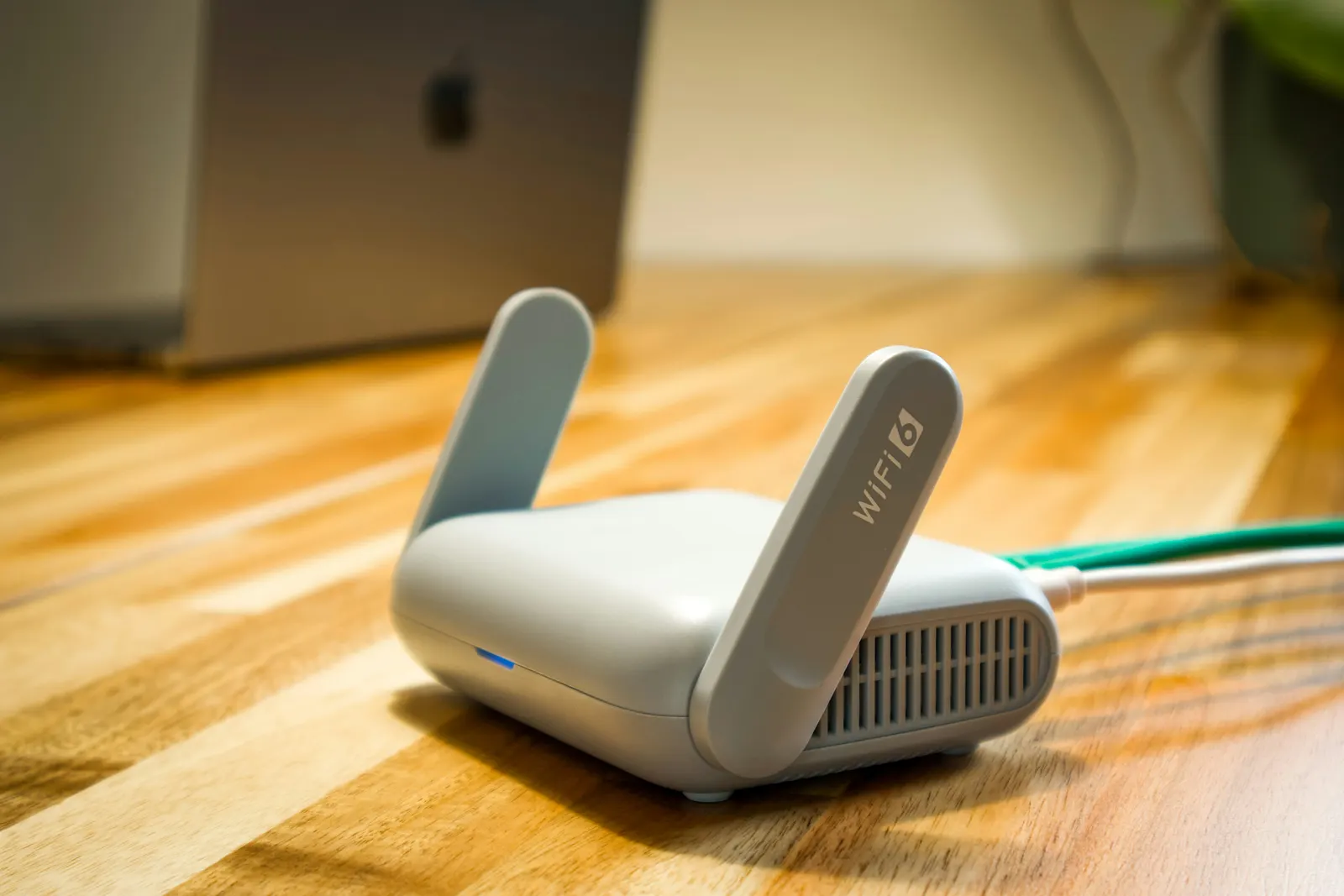
Four steps are worth taking this week:
Change any password your devices came with. Start with your Wi-Fi router.
Turn on automatic updates wherever the option exists.
Replace anything the maker no longer updates. If a device is several years old, look it up.
Turn off remote access you don't use. If you never check that camera or thermostat away from home, it doesn't need to be reachable.
Few of us will ever be singled out by a hacker. But automated tools search the internet all day for devices that are easy to get into, and these steps make yours harder to find and use.